


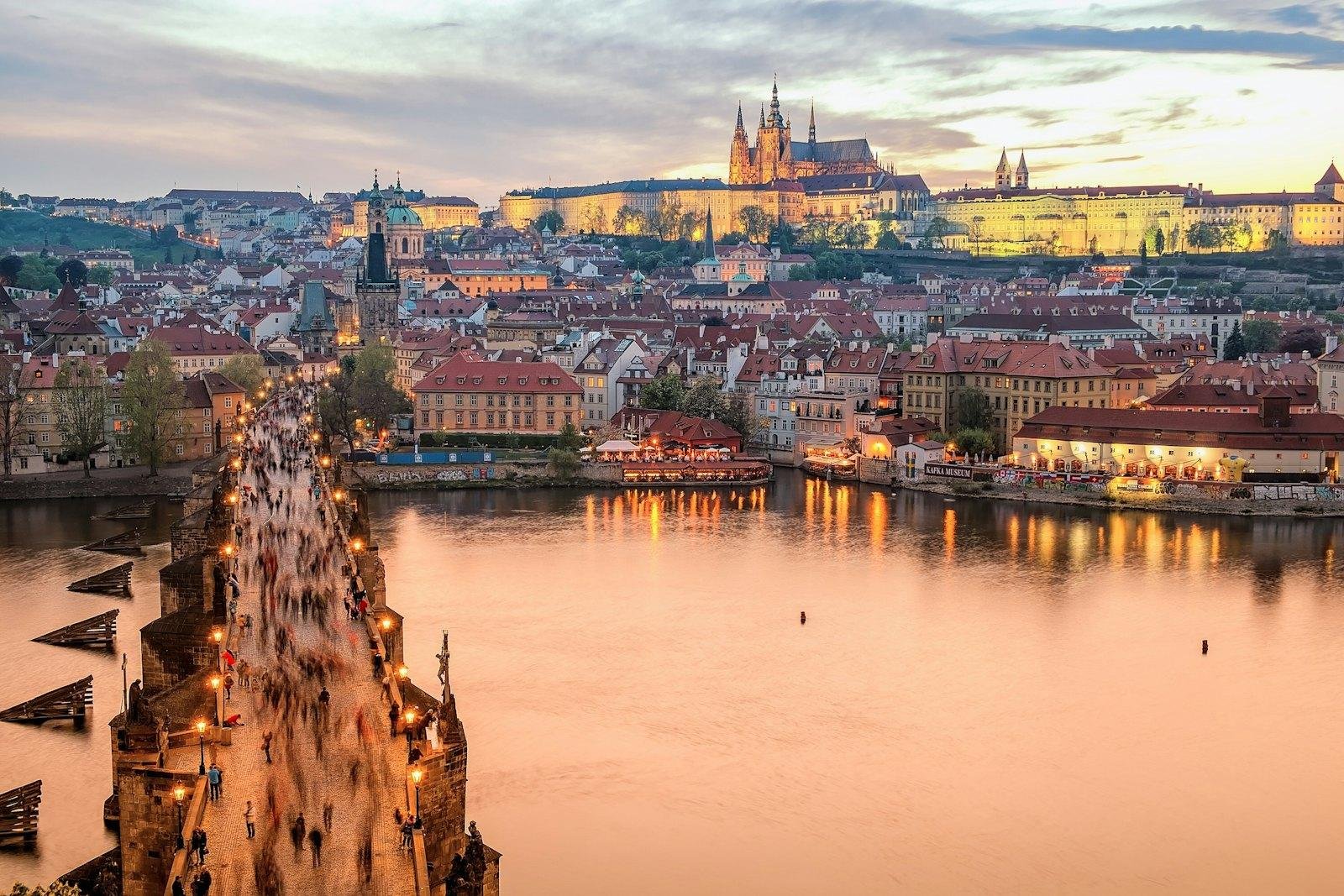
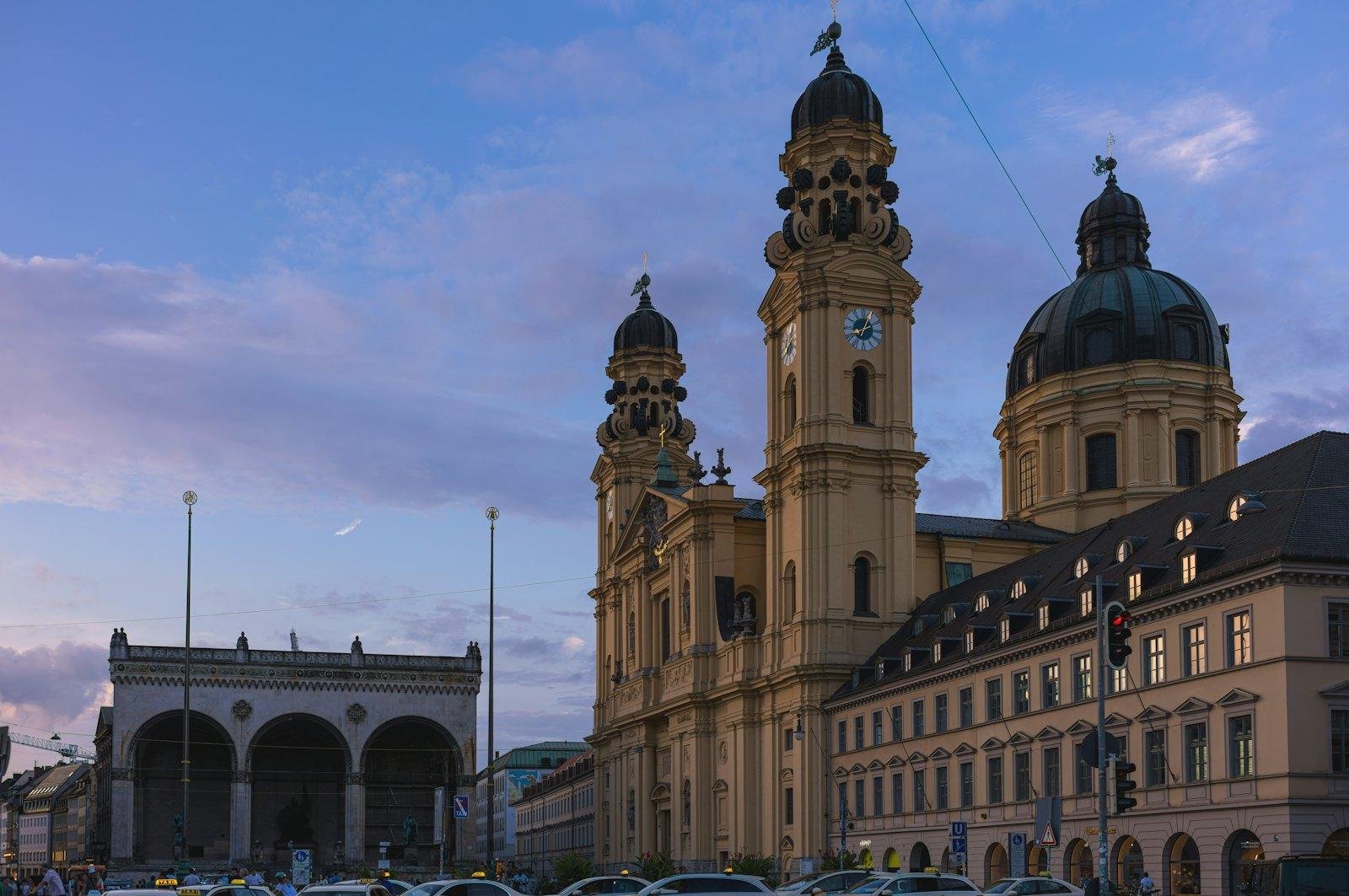
Photos · Jana Shnipelson, Constantinos Kollias, Joseph Quam, William Zhang / Unsplash
Sophie Scholl
1921–1943
- Place
- Munich
- Field
- Student resistance
- Died
- 1943
Sophie Scholl
The truth they told
A student of biology and philosophy at the University of Munich, Sophie Scholl belonged to the White Rose, a small circle of students and their professor Kurt Huber. In 1942 and 1943 the group wrote and distributed leaflets that condemned the crimes of the Nazi regime, including the mass murder of Jews, and called on Germans to resist.
The price they paid
On 18 February 1943 she and her brother Hans were seen distributing the sixth leaflet in the university’s main building and were arrested. On 22 February the People’s Court sentenced them and their friend Christoph Probst to death; all three were executed by guillotine at Stadelheim Prison that same day. She was twenty-one.
How history judged
The text of the sixth leaflet reached Britain, and later in 1943 Allied aircraft dropped copies over Germany. The square before the university’s main building is now Geschwister-Scholl-Platz, and the White Rose is remembered in Germany as an emblem of civil courage.
In context
The White Rose grew from the friendship of Hans Scholl and Alexander Schmorell, medical students in Munich; Sophie joined her brother’s circle after beginning her studies at the university in May 1942. The first four leaflets appeared that summer and were posted to addresses taken from telephone directories; later leaflets were also distributed in other cities. After the arrests of 18 February, the Gestapo identified the rest of the group: Alexander Schmorell, Willi Graf and Professor Kurt Huber were tried in April 1943 and executed later that year.
Sources
- Encyclopaedia Britannica — “Sophie Scholl” (external link)
- Encyclopaedia Britannica — “White Rose” (external link)
- Weiße Rose Stiftung (White Rose Foundation), Munich (external link)
- German Resistance Memorial Center (Gedenkstätte Deutscher Widerstand) — “Sophie Scholl” (external link)
Every statement in this room rests on the sources above. Found an error? Write to hello@truthicons.com — corrections are made in all three languages.
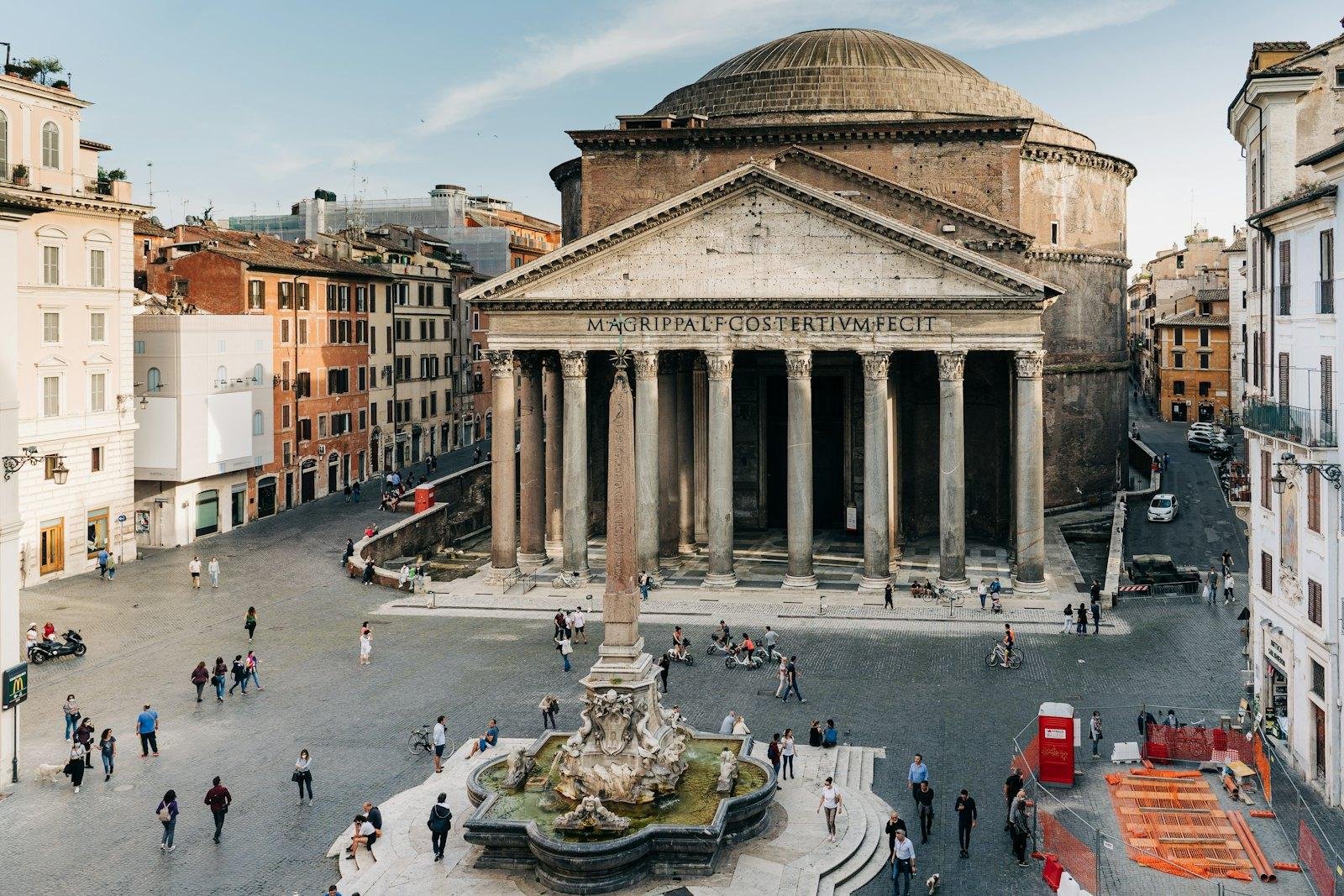

Photos · William Zhang, Gabriella Clare Marino, Nick Pryde, Annie Spratt / Unsplash
Sophie Scholl
1921–1943
- Lieu
- Munich
- Domaine
- Résistance étudiante
- Mort
- 1943
Sophie Scholl
La vérité révélée
Étudiante en biologie et en philosophie à l’Université de Munich, Sophie Scholl appartenait à la Rose blanche, un petit cercle d’étudiants réunis autour de leur professeur Kurt Huber. En 1942 et 1943, le groupe rédigea et diffusa des tracts dénonçant les crimes du régime nazi, notamment le meurtre de masse des Juifs, et appelant les Allemands à résister.
Le prix payé
Le 18 février 1943, elle et son frère Hans furent aperçus en train de diffuser le sixième tract dans le bâtiment principal de l’université, et arrêtés. Le 22 février, le Tribunal du peuple les condamna à mort avec leur ami Christoph Probst ; tous trois furent guillotinés le jour même à la prison de Stadelheim. Elle avait vingt et un ans.
Le jugement de l’histoire
Le texte du sixième tract parvint en Grande-Bretagne et, plus tard en 1943, des avions alliés en larguèrent des exemplaires sur l’Allemagne. La place devant le bâtiment principal de l’université s’appelle aujourd’hui Geschwister-Scholl-Platz, et la Rose blanche est honorée en Allemagne comme un emblème du courage civique.
En contexte
La Rose blanche naquit de l’amitié entre Hans Scholl et Alexander Schmorell, étudiants en médecine à Munich ; Sophie rejoignit le cercle de son frère après avoir commencé ses études à l’université en mai 1942. Les quatre premiers tracts parurent cet été-là et furent envoyés par la poste à des adresses relevées dans des annuaires téléphoniques ; les suivants furent aussi diffusés dans d’autres villes. Après les arrestations du 18 février, la Gestapo identifia le reste du groupe : Alexander Schmorell, Willi Graf et le professeur Kurt Huber furent jugés en avril 1943 et exécutés la même année.
Sources
- Encyclopaedia Britannica — “Sophie Scholl” (lien externe)
- Encyclopaedia Britannica — “White Rose” (lien externe)
- Weiße Rose Stiftung (White Rose Foundation), Munich (lien externe)
- German Resistance Memorial Center (Gedenkstätte Deutscher Widerstand) — “Sophie Scholl” (lien externe)
Chaque affirmation de cette salle repose sur les sources ci-dessus. Vous avez relevé une erreur ? Écrivez à hello@truthicons.com — les corrections sont apportées dans les trois langues.
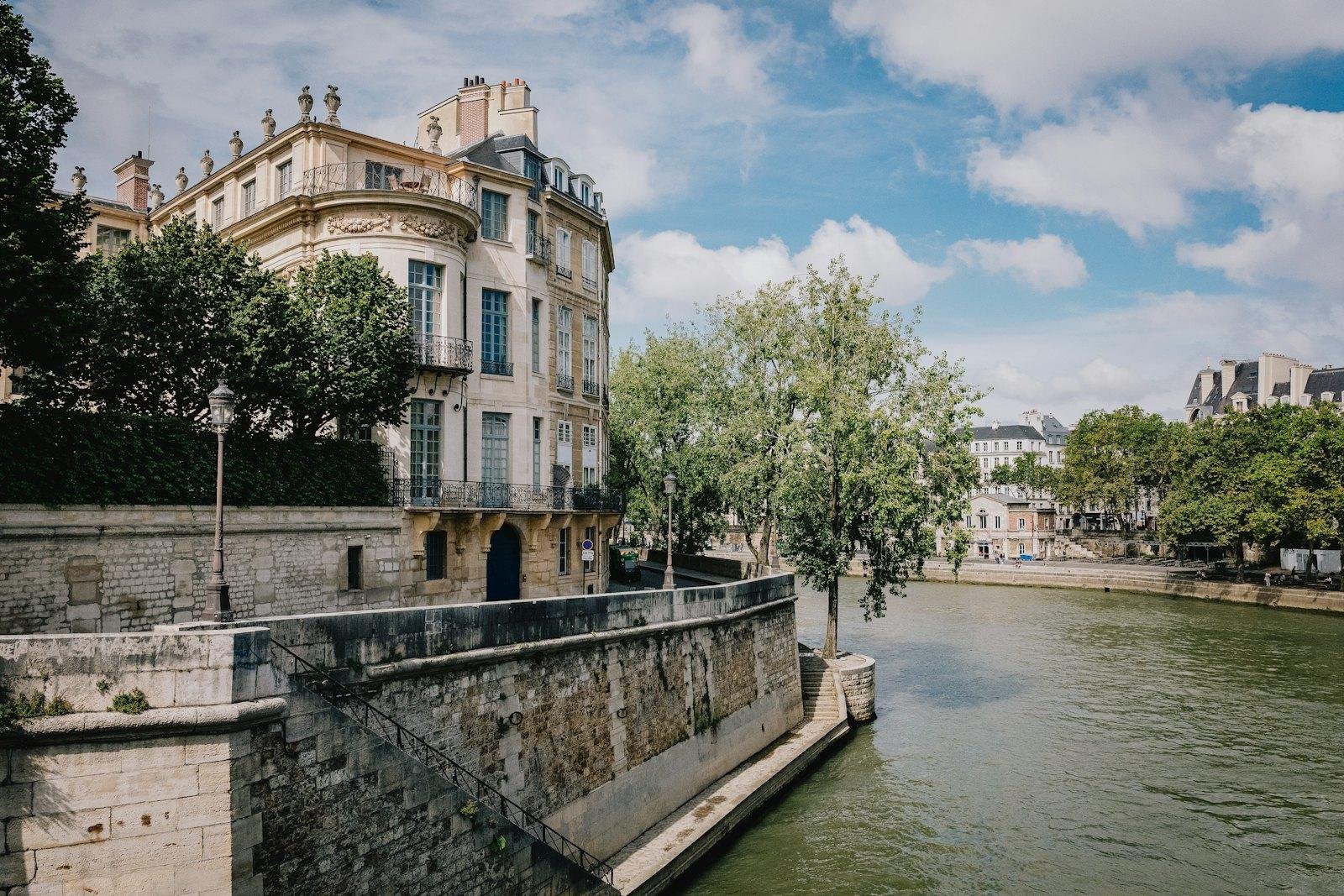

Photos · Annie Spratt, Thanh Ly, Dieter K, Bahaa Mourad / Unsplash
Sophie Scholl
1921–1943
- Lugar
- Múnich
- Ámbito
- Resistencia estudiantil
- Muerte
- 1943
Sophie Scholl
La verdad que reveló
Estudiante de biología y filosofía en la Universidad de Múnich, Sophie Scholl formaba parte de la Rosa Blanca, un pequeño círculo de estudiantes y de su profesor Kurt Huber. En 1942 y 1943 el grupo redactó y distribuyó octavillas que denunciaban los crímenes del régimen nazi, entre ellos el asesinato masivo de judíos, y llamaban a los alemanes a resistir.
El precio que pagó
El 18 de febrero de 1943 ella y su hermano Hans fueron vistos repartiendo la sexta octavilla en el edificio principal de la universidad y fueron detenidos. El 22 de febrero el Tribunal del Pueblo los condenó a muerte junto con su amigo Christoph Probst; los tres fueron ejecutados en la guillotina en la prisión de Stadelheim ese mismo día. Ella tenía veintiún años.
El juicio de la historia
El texto de la sexta octavilla llegó a Gran Bretaña y, más tarde en 1943, aviones aliados lanzaron copias sobre Alemania. La plaza ante el edificio principal de la universidad se llama hoy Geschwister-Scholl-Platz, y la Rosa Blanca se recuerda en Alemania como emblema de valentía cívica.
En contexto
La Rosa Blanca nació de la amistad entre Hans Scholl y Alexander Schmorell, estudiantes de medicina en Múnich; Sophie se unió al círculo de su hermano tras comenzar sus estudios en la universidad en mayo de 1942. Las cuatro primeras octavillas aparecieron ese verano y se enviaron por correo a direcciones tomadas de guías telefónicas; las siguientes se repartieron también en otras ciudades. Tras las detenciones del 18 de febrero, la Gestapo identificó al resto del grupo: Alexander Schmorell, Willi Graf y el profesor Kurt Huber fueron juzgados en abril de 1943 y ejecutados ese mismo año.
Fuentes
- Encyclopaedia Britannica — “Sophie Scholl” (enlace externo)
- Encyclopaedia Britannica — “White Rose” (enlace externo)
- Weiße Rose Stiftung (White Rose Foundation), Munich (enlace externo)
- German Resistance Memorial Center (Gedenkstätte Deutscher Widerstand) — “Sophie Scholl” (enlace externo)
Cada afirmación de esta sala se apoya en las fuentes indicadas. ¿Ha encontrado un error? Escriba a hello@truthicons.com: las correcciones se aplican en los tres idiomas.